Can You Make a Pancake in a Waffle Maker? Yes, Here’s How
Staring at a bowl of pancake batter and a waffle maker on the counter, wondering if you really need to dig out a griddle too? You’re not alone — it’s one of the most common questions in small-kitchen-appliance forums, and the short answer is yes, you can absolutely make a pancake in a waffle maker. In fact, once you know a few tricks, it might become your go-to method for lazy Sunday mornings.
After testing this across a dozen different waffle makers — Belgian, classic, flip-style, and mini — I can tell you it works, but it’s not quite as simple as pouring in your usual batter and walking away. The waffle plates, the sealed cooking chamber, and the higher heat all change how pancake batter behaves. This guide breaks down exactly what to expect, how to adjust your batter, and how to avoid the most common (and most annoying) mistakes.
Can You Use a Waffle Maker for Pancakes? The Real Answer
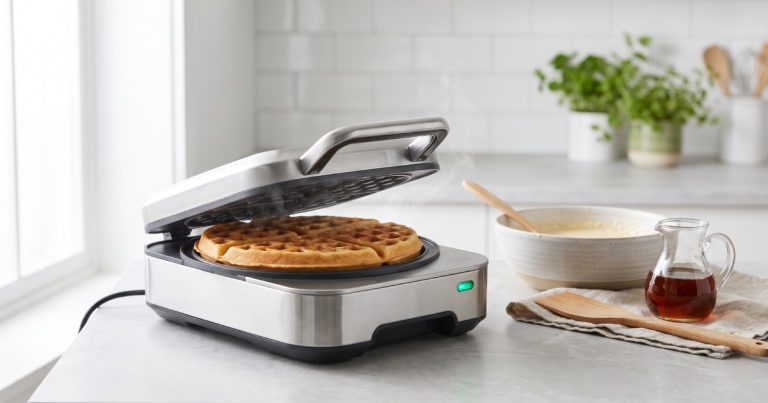
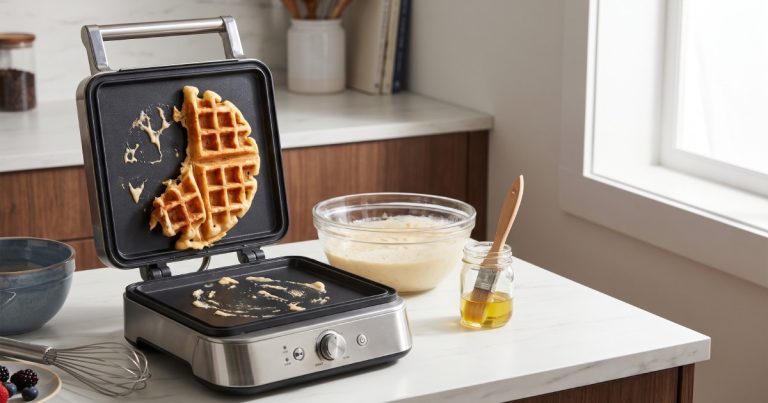
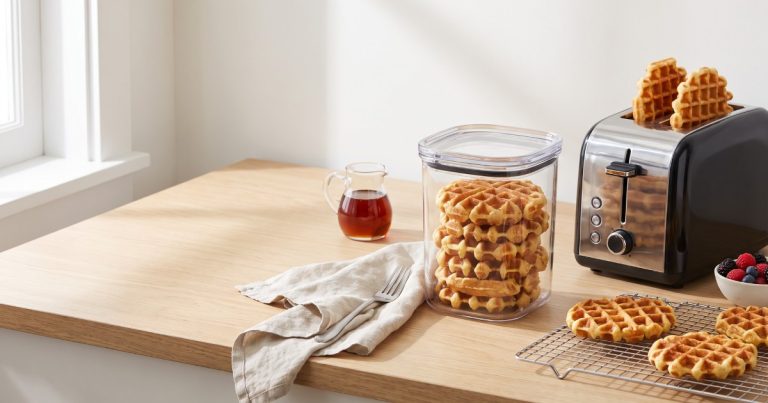
Yes — a waffle maker can cook pancake batter, but it won’t produce a traditional flat, fluffy diner-style pancake. Instead, you’ll get what’s often called a “paffle” or “wancake”: a hybrid with the crisp, gridded exterior of a waffle and the soft, tender crumb of a pancake inside.
Here’s why this works:
- Pancake batter and waffle batter share the same core ingredients (flour, eggs, milk, leavening agent).
- Waffle makers cook via direct contact heat from both sides, which is actually faster and more even than a single-sided griddle.
- The ridged plates give the batter something to grip, so it doesn’t spread thin the way it would on a flat surface.
The main differences come down to fat content and thickness. Waffle batter is typically richer (more oil or butter, sometimes more sugar) so it releases cleanly from non-stick plates and crisps at the edges. Pancake batter is thinner and leaner, which means it can spread further, cook faster, and stick more easily if you’re not careful.
Can I Use a Waffle Maker to Make Pancakes Without Ruining It?
This is the question I get most from readers who just bought a nice appliance and don’t want to gunk it up. The good news: as long as you follow a few guidelines, pancake batter is perfectly safe for your waffle maker’s plates, whether they’re non-stick aluminum, cast iron, or ceramic-coated.
Why the Cooking Chamber Matters
A waffle maker’s clamshell design traps steam and heat around the batter, which is different from an open griddle. This means:
- Pancake batter cooks faster in a waffle maker — often 2–3 minutes versus 4–5 on a griddle.
- Rising happens differently. Because the batter is compressed between two plates, it expands outward into the grid pattern rather than upward like a stacked pancake.
- Steam release is limited, so overly wet batter can turn gummy in the center if you don’t adjust consistency.
How to Adjust Pancake Batter for a Waffle Maker
If you want the best texture — crisp outside, cooked-through middle, minimal sticking — a few small tweaks make a big difference.
Adjust these four things:
- Add 1–2 tablespoons of melted butter or oil per cup of batter if your recipe is lean. This helps release and adds crispness to the ridges.
- Thicken the batter slightly with an extra tablespoon of flour per cup of liquid. Thin batter will ooze out the sides of the plates.
- Reduce sugar slightly if your recipe is sweet — sugar caramelizes fast under waffle-maker heat and can burn before the center sets.
- Let the batter rest 5 minutes before cooking. This gives the leavening agent time to activate, which matters more in a sealed waffle chamber than on an open griddle.
Can You Use a Waffle Maker With Pancake Mix (Store-Bought)?
Yes — boxed pancake mix (Krusteal, Aunt Jemima/Pearl Milling Company, Kodiak, etc.) works well in a waffle maker with one adjustment: use slightly less liquid than the box recommends. Most boxed mixes are formulated for a thin, pourable consistency that’s perfect for a griddle but too runny for a waffle maker’s grid plates.
My tested ratio for boxed mix:
- Standard box instructions: 1 cup mix + 3/4 cup milk
- Waffle-maker version: 1 cup mix + 1/2 to 2/3 cup milk, plus 1 tablespoon oil
This thicker batter holds its shape in the grid pockets and browns more evenly, closer to an actual waffle texture.
Step-by-Step: How to Make a Pancake in a Waffle Maker
- Preheat the waffle maker for a full 3–5 minutes. Most sticking issues happen because the plates aren’t hot enough when the batter goes in — you want a light hiss when the batter hits the surface.
- Lightly grease the plates, even if they’re non-stick. A quick spray of oil or a brush of melted butter goes a long way, especially with leaner pancake batter.
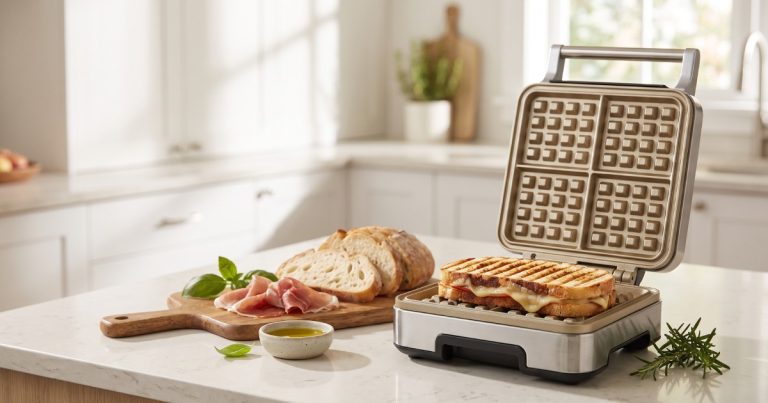
- Pour batter into the center of the lower plate — about 1/3 to 1/2 cup for a standard 7-inch waffle maker, less for mini waffle makers.
- Close the lid gently and let the batter spread naturally; don’t press down, or you’ll force excess batter out the sides.
- Cook 2–4 minutes, checking the indicator light if your model has one. Steam slowing down is usually your cue that it’s close to done.
- Remove carefully with a rubber spatula, working around the edges first before lifting from the center.
Belgian vs. Classic Waffle Makers: Which Handles Pancake Batter Better?
Not all waffle makers behave the same way with pancake batter, and this trips up a lot of first-time buyers.
| Feature | Classic Waffle Maker | Belgian Waffle Maker |
|---|---|---|
| Plate depth | Shallow (¼–⅓ inch) | Deep (¾–1 inch) |
| Best for pancake batter | Yes — cooks faster, less batter needed | Trickier — deep pockets can leave centers undercooked |
| Texture result | Thin, crisp, pancake-like | Thick, fluffy, more bread-like |
| Batter amount needed | 1/3 cup | 3/4–1 cup |
If pancakes-in-a-waffle-maker is going to be a regular thing for you, a classic, shallow-plate waffle maker is more forgiving. Belgian waffle makers’ deep pockets are gorgeous for actual waffle batter (that’s what they’re designed for) but they need denser, more leavened batter to cook through without a raw center — something thin pancake batter struggles with.
Common Mistakes to Avoid
- Skipping the preheat. Cold plates cause sticking and uneven browning — the single biggest complaint I see in appliance reviews.
- Overfilling the plates. Pancake batter expands as it heats; overfilling causes overflow that hardens on the hinges and is a pain to clean.
- Using batter straight out of the fridge. Cold batter cooks unevenly. Let it sit at room temperature for 10 minutes first.
- Forcing the lid shut. If it doesn’t close easily, you’ve used too much batter — remove some before it overflows and burns onto the heating element.
- Not checking your plate material. Cast iron plates need more oil than ceramic or Teflon-coated non-stick plates, or thin batter will bond to the ridges.
Quick Buyer’s Checklist (If You’re Shopping for a Dual-Purpose Maker)
If you’re in the market for a waffle maker that also handles pancake-style cooking well, look for:
- Shallow, classic-style plates rather than deep Belgian wells
- 600–900 watts for fast, even heating (lower wattage means longer cook times and more uneven browning)
- Adjustable temperature control, so you can dial down heat for thinner batters
- Non-stick coating rated for metal utensils if you plan to use a spatula to check pancakes early
- Flip-style design for more even heat distribution on both sides, which helps thinner batter cook through without burning the exterior
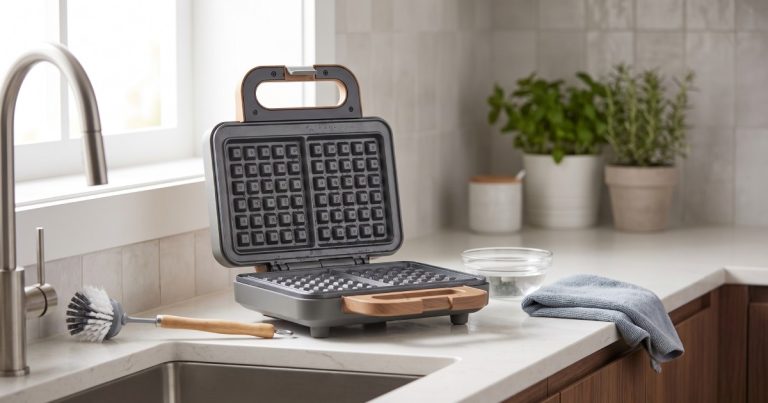
- Removable plates for easier cleanup, since pancake batter can be messier than waffle batter
Prices for a solid mid-range option typically run $25–$60, while higher-end flip or rotating models with precise temperature dials run $70–$150.
FAQ: People Also Ask
Can you make a pancake in a waffle maker? Yes. Pancake batter cooks fine in a waffle maker, though it produces a hybrid texture — crisp on the outside from the grid pattern, soft and tender inside — rather than a traditional flat pancake.
Can I use a waffle maker to make pancakes if I don’t have a griddle? Absolutely. A waffle maker is a great griddle substitute in a pinch, especially for small kitchens or dorm rooms. Just thicken your batter slightly and preheat thoroughly for best results.
Can you use a waffle maker with pancake mix from a box? Yes, but use less liquid than the box instructions call for. Boxed mixes are formulated to be thin for griddle cooking, so cutting the liquid by about a quarter creates a thicker batter that holds up better in a waffle maker’s grid plates.
Do I need to adjust cook time for pancake batter in a waffle maker? Yes. Pancake batter typically cooks faster than waffle batter in the same appliance — often 2–3 minutes versus 4–6 minutes — because it’s thinner and has less fat to slow down browning.
Will pancake batter damage my waffle maker? No, pancake batter won’t damage the appliance. The main risk is overflow if you use too much batter, which can create a mess around the hinges, so start with less than you think you need.
What’s the difference between a “paffle” and a real waffle? A paffle (pancake + waffle) uses pancake batter cooked in waffle-shaped plates, giving you a soft, cake-like crumb with crisp edges. A true waffle uses a richer, more leavened batter designed specifically for deep, crisp pockets and a denser bite.
The Bottom Line
Making a pancake in a waffle maker isn’t just possible — it’s a genuinely useful kitchen hack once you understand the small adjustments that make it work: thicker batter, a proper preheat, light greasing, and matching your batter to the right style of plate. Classic, shallow-plate waffle makers handle pancake batter more forgivingly than deep Belgian models, and boxed mix works great with a slight liquid reduction.
Quick recap:
- Pancake batter works in any waffle maker, but thicker batter performs best
- Classic waffle makers are more forgiving than deep Belgian styles
- Preheating and light greasing prevent the most common sticking issues
- Boxed mix needs less liquid than the package suggests
If you try this out, I’d love to hear how your “paffles” turn out — drop a comment with your batter tweaks, or check out our [guide to the best waffle makers for small kitchens] and [how to clean sticky waffle maker plates without damaging non-stick coating] for more hands-on tips.