Can You Use a Waffle Maker for Sandwiches? Full Guide
If you’ve ever stared at your waffle iron on a Tuesday morning and wondered whether it could double as a sandwich press, you’re not alone. It’s one of the most common questions we get from readers who own a single-purpose appliance and want more mileage out of their counter space. The short answer to can you use waffle maker for sandwiches is yes — with a few caveats that matter more than you’d think.
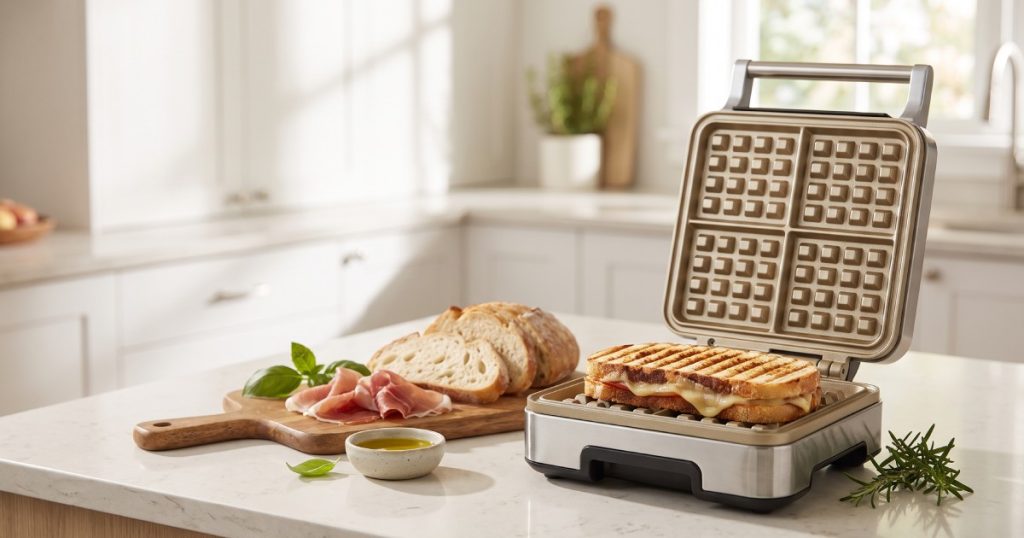
I’ve tested dozens of waffle irons and sandwich presses over the years, from $20 basic flip models to $150 Belgian-style machines with interchangeable plates. Below, I’ll walk you through exactly how to do it safely, when it works well, when it doesn’t, and whether you should just buy a dedicated sandwich maker instead.
Quick Answer: Yes, But It Depends on Your Waffle Maker
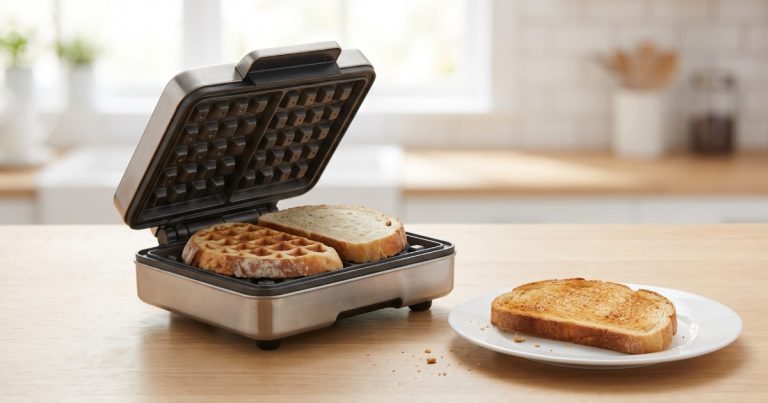
Most electric waffle makers can technically press a sandwich closed and toast the bread, but the results vary a lot depending on the design. A deep-pocket Belgian waffle iron will crush and shred a sandwich, while a flatter classic waffle maker handles bread much more gracefully.
Here’s the key distinction to keep in mind:
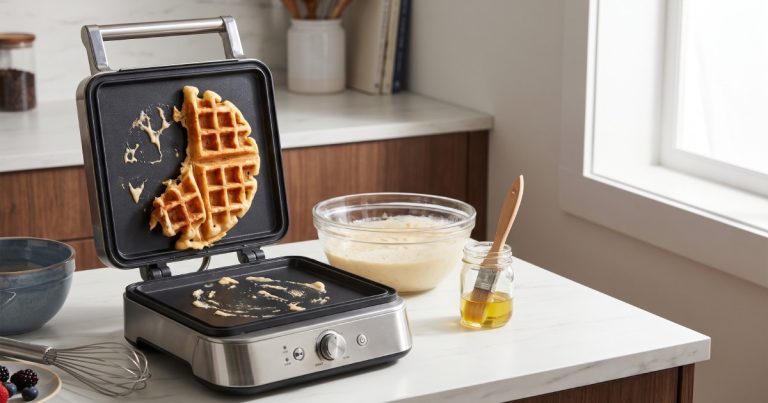
- Deep waffle grids (Belgian-style, ¾–1 inch pockets) tend to tear soft sandwich bread and push filling out the sides.
- Shallow waffle grids (classic American style, ¼–⅓ inch pockets) press more evenly and are closer to a panini or sandwich press pattern.
- Flip/rotating models distribute heat more evenly on both sides, which helps toast sandwich bread without burning one side.
If your waffle maker has removable or reversible plates, you’re in the best possible position — some of those plates are literally designed to swap between waffle and grill/sandwich patterns.
Is a Waffle Maker and Sandwich Maker the Same?
Short answer: no, though they’re closely related appliances. This is one of the most searched follow-up questions, so let’s clear it up.
Key Differences
| Feature | Waffle Maker | Sandwich Maker |
|---|---|---|
| Plate design | Deep grid pockets | Flat or shallow ridged plates |
| Purpose | Trap batter, create pockets for syrup | Seal edges, toast bread evenly |
| Sealing edge | Rarely seals bread edges | Often crimps/seals sandwich edges |
| Filling capacity | Not designed for thick fillings | Built to hold cheese, meat, veggies |
| Common wattage | 800–1500W | 700–1200W |
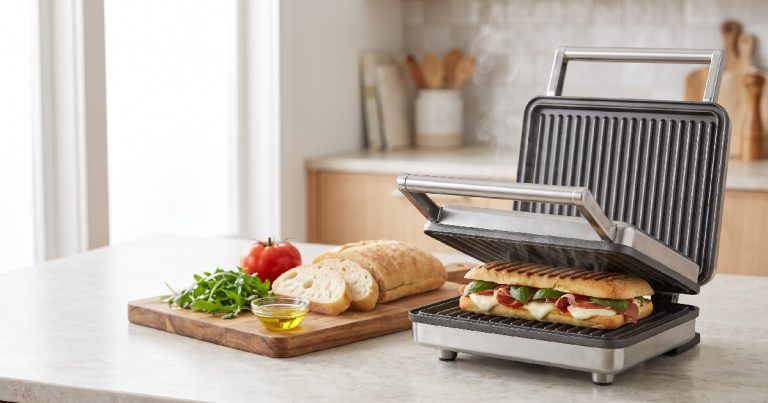
A dedicated sandwich maker (sometimes called a toastie maker) usually has a sealed edge that crimps the bread shut, locking in melted cheese or sauce so nothing leaks during cooking. Waffle irons don’t have this sealing lip, which is the biggest practical difference when you’re using one for sandwiches.
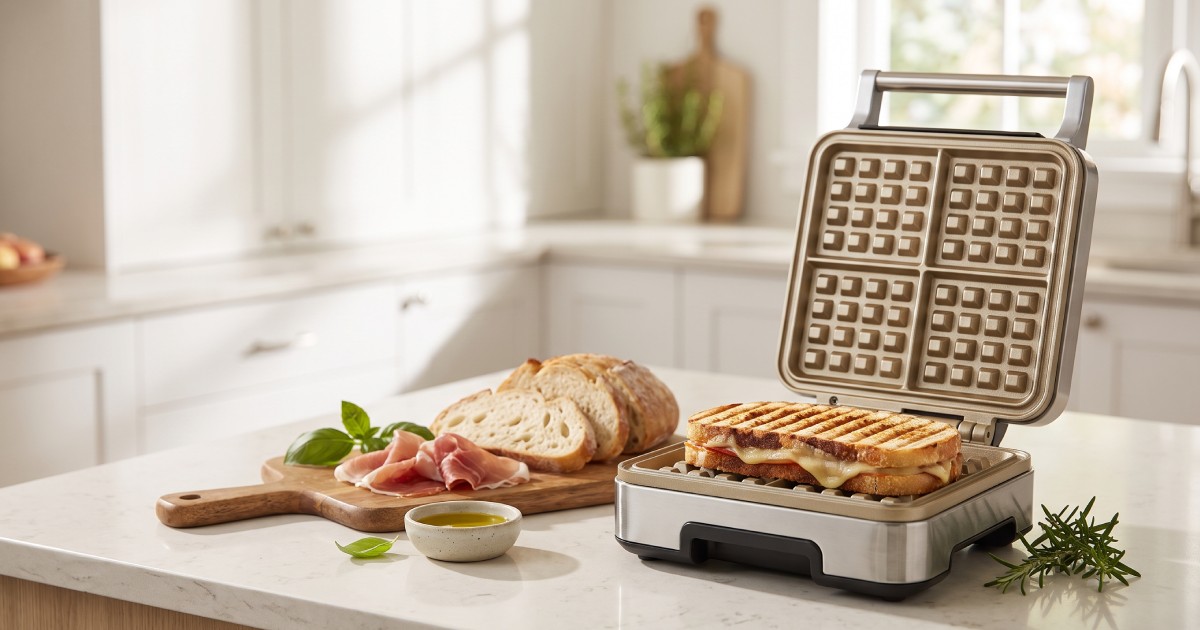
That said, plenty of modern 2-in-1 combo appliances exist specifically to solve this problem — they come with swappable plates so you get true waffle grids and true sandwich-press plates in one unit.
Can I Use a Waffle Maker to Make a Sandwich? Step-by-Step
If you’re working with what you’ve got, here’s how to get the best results.
1. Choose the Right Bread
Soft sandwich bread collapses easily under a deep waffle grid. Go with:
- Sturdier sandwich bread (like a hearty white or wheat loaf)
- Slightly stale bread (it holds up better and toasts more evenly)
- Avoid fresh, pillowy bread — it tends to tear on deep grids
2. Keep Fillings Thin and Contained
Overstuffed sandwiches are the number one cause of mess in a waffle iron. Since there’s no sealing edge, filling will ooze out if you’re not careful.
- Use thinly sliced cheese, not thick shreds that overflow
- Pat down wet ingredients (tomato, pickles) with a paper towel first
- Keep the filling about ½ inch from the bread’s edge
3. Preheat Properly
Just like waffles, sandwiches need a fully preheated iron to cook evenly and release cleanly. Most waffle makers have an indicator light that turns green or stops blinking once ready — don’t skip this step, or you’ll get uneven browning and sticking.
4. Grease Lightly, Even on Non-Stick Plates
A light spray of oil or a thin brush of melted butter helps prevent sticking, especially with cheese-heavy sandwiches. Avoid heavy aerosol sprays with propellants — they can build up residue on non-stick coatings over time and shorten the plates’ lifespan.
5. Press Gently, Don’t Force It
If your waffle maker doesn’t close all the way over a thick sandwich, don’t force the handle down — this stresses the hinge and can crack plates over time. Instead, trim the filling or use thinner bread.
6. Watch the Clock
Sandwiches generally cook faster than waffle batter — usually 3–5 minutes depending on wattage and how much cheese needs to melt. Start checking at the 3-minute mark to avoid over-browning.
When a Waffle Maker Works Great for Sandwiches
In my testing, waffle makers perform best for sandwiches in these scenarios:
- Grilled cheese — thin, evenly distributed filling with no lumpy ingredients
- Quesadilla-style folds — tortillas handle the grid pattern better than bread
- Leftover pizza or flatbread sandwiches — sturdier base holds shape
- Kids’ lunches — the fun waffle-shaped edges make sandwiches more appealing to picky eaters
If you’re making waffle-sandwiches for a family of four on a busy morning, a flip-style waffle maker with shallow grids will get you through breakfast fast without much cleanup.
When You Should Use a Dedicated Sandwich Maker Instead
There are situations where forcing a waffle iron to do sandwich duty just isn’t worth it:
- Overstuffed deli-style sandwiches with multiple layers of meat and cheese
- Sandwiches needing a sealed edge to prevent sauce or dressing leakage
- Frequent sandwich-making — if this is a daily habit, a dedicated toastie press will last longer and perform more consistently
- Deep Belgian waffle irons — the pocket depth simply isn’t built for flat pressing
If any of these describe your routine, it’s worth checking out our [best sandwich makers for home use] to find a model built specifically for the job.
Buyer’s Checklist: Choosing a Dual-Purpose Appliance
If you want one appliance that genuinely does both jobs well, look for these features:
- Removable or reversible plates — the single biggest factor for versatility
- Shallow grid depth (under ½ inch) if waffles aren’t your main priority
- Non-stick ceramic or PTFE coating — ceramic tends to be more scratch-resistant long-term
- Adjustable temperature control — sandwiches and waffles often need different heat settings
- Locking latch — helps apply even pressure without you forcing the handle
- Easy-clean drip tray or removable plates — cheese spills are inevitable
Expect to pay $25–$50 for a basic dual-plate combo appliance, and $60–$150 for higher-end models with adjustable temperature and interchangeable plate sets. For comparison, check out our [waffle maker buying guide] for a full breakdown of wattage, plate material, and brand reliability.
Common Mistakes to Avoid
- Overfilling the sandwich — leads to spillage and uneven cooking
- Using cold, unmelted butter directly on plates — causes uneven browning; melt it first
- Skipping the preheat — results in soggy, pale sandwiches
- Forcing the lid shut — damages hinges and can crack non-stick coating
- Using wet or oily fillings without patting them dry — creates steam pockets and sogginess
Cleaning Tips After Making Sandwiches
Cheese and sauce residue burn onto waffle plates more stubbornly than plain batter. A few tips:
- Wipe down plates while they’re still slightly warm (not hot) — residue lifts off more easily
- Use a soft brush or damp cloth, never metal utensils, on non-stick coatings
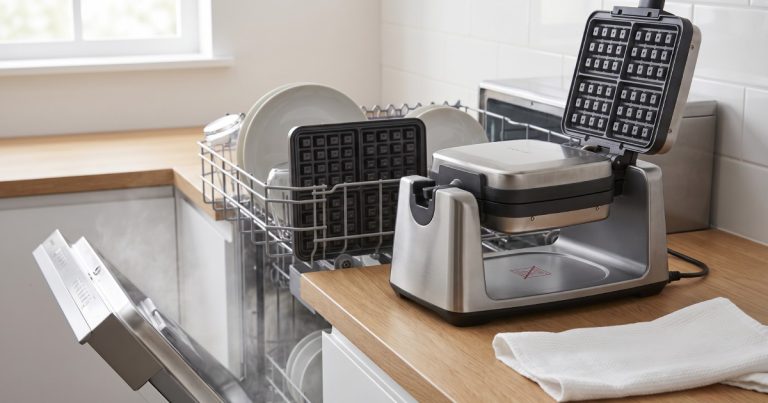
- For removable plates, most are dishwasher-safe — check your manual first
- A paste of baking soda and water works well on stuck-on cheese without scratching coatings
For more on extending appliance life, see our [waffle maker cleaning and maintenance guide].
FAQ: People Also Ask
Can you use a waffle maker for sandwiches? Yes, most electric waffle makers can toast and press sandwiches, though results are better with shallow-grid or flip-style models rather than deep Belgian-style irons.
Is a waffle maker and sandwich maker the same appliance? No. They share similar heating mechanisms, but waffle makers use deep grid plates for batter while sandwich makers use flat or shallow plates with a sealing edge to keep fillings contained.
Can I use a waffle maker to make a grilled cheese sandwich? Yes, grilled cheese is one of the best sandwich options for a waffle iron since the filling is thin, even, and doesn’t spill out easily during pressing.
Will a waffle maker ruin my sandwich bread? Deep-pocket waffle irons can tear soft, fresh bread. Using sturdier or slightly stale bread reduces tearing and gives a cleaner press.
Do I need to buy a separate sandwich maker if I already own a waffle iron? Only if you make sandwiches frequently or prefer sealed-edge results. Occasional use is fine with a standard waffle maker, especially one with removable plates.
What temperature should I use for sandwiches in a waffle maker? Most waffle makers don’t have adjustable temperature, but if yours does, a medium-high setting (around 350–375°F) toasts bread evenly without burning before the filling melts.
Final Takeaways
Using a waffle maker for sandwiches works well for grilled cheese, quesadillas, and quick kid-friendly lunches — especially with shallow-grid or flip-style irons. Deep Belgian waffle makers are better left to actual waffles, since their pocket depth tends to tear bread and push out fillings.
If sandwiches are a regular part of your routine, a dedicated sandwich press — or a dual-purpose appliance with swappable plates — will save you cleanup time and give more consistent results. Either way, your waffle iron doesn’t have to sit idle between breakfast duties.