Can You Make Potato Waffles in a Waffle Maker?
If you’ve ever stared at a bag of shredded hash browns in one hand and your waffle maker in the other, wondering if you’re about to make breakfast history or a non-stick disaster, you’re not alone. The short answer to can you make potato waffles in a waffle maker is a resounding yes — and once you try it, you’ll wonder why you ever bothered with a skillet.
Potato waffles have quietly become one of the most searched breakfast hacks of the last few years, and for good reason. The waffle plate’s deep grid pockets do something a flat griddle simply can’t: they create maximum surface area for crisping, while the center stays fluffy and tender. Whether you’re using leftover mashed potatoes, frozen hash browns, or grating sweet potatoes fresh, a waffle maker turns ordinary spuds into something genuinely exciting.
In this guide, I’ll walk you through exactly how do you make potato waffles in a waffle maker, which appliance features actually matter, the mistakes that ruin most first attempts, and a few variations — including how to make sweet potato waffles in a waffle maker — that go well beyond basic breakfast.
Why a Waffle Maker Works So Well for Potatoes
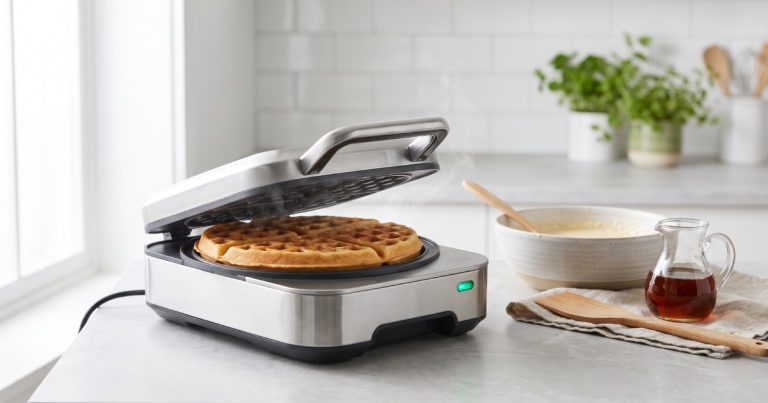
Most people assume waffle makers are single-purpose tools built for batter alone. In practice, they’re really just two heated, textured plates that clamp shut — which makes them ideal for anything that benefits from even heat, pressure, and airflow.
Potatoes, it turns out, check every one of those boxes:
- Pressure removes excess moisture, which is the enemy of crispy potatoes.
- The grid pattern increases surface area, so more of the potato gets that golden, crackly exterior.
- Even heat distribution cooks the inside through without burning the outside, something a frying pan struggles with on uneven stovetops.
I’ve tested this side-by-side with a standard non-stick skillet, and the difference is noticeable within the first two minutes. The waffle iron produces a crispier crust with less oil, largely because the closed lid traps steam and pushes it out through the ridges rather than letting it pool underneath the potato like it does in a pan.
How Do You Make Potato Waffles in a Waffle Maker? (Step-by-Step)
Here’s the method I’ve refined after testing several batches across a Belgian-style deep-pocket maker and a classic flat-plate model. Both work, but the results differ slightly (more on that below).
What You’ll Need
- 2 cups shredded raw potatoes or frozen hash browns, thawed and squeezed dry
- 1 egg (as a binder)
- 2 tablespoons flour or cornstarch
- 1/2 teaspoon salt, plus pepper to taste
- Optional: shredded cheese, chopped chives, garlic powder
- Cooking spray or a light brush of oil
The Method
- Squeeze out the moisture. This is the single most important step. Wrap shredded potatoes in a clean kitchen towel and wring out as much liquid as possible. Skipping this step is the #1 reason potato waffles turn out soggy or fall apart.
- Mix the binder. Combine the dried potato shreds with the egg, flour or cornstarch, salt, and any add-ins. The mixture should hold together when pressed, similar to a hash brown patty.
- Preheat the waffle maker fully. Don’t rush this. Most models take 3–5 minutes to reach cooking temperature, and a properly preheated plate is what creates that initial sizzle and crust.
- Grease the plates, even if they’re labeled non-stick. Potato starch is sticky, and a light coat of oil or spray makes cleanup dramatically easier.
- Spread the mixture evenly, filling the grid pockets but not overloading the edges — potatoes expand slightly less than batter, but overfilling still causes overflow.
- Close and cook for 6–10 minutes, checking at the 6-minute mark. You’re looking for a deep golden-brown color, not just a light tan — this is where the flavor and crunch really develop.
- Let it rest for 60 seconds before removing. This allows the crust to set, which prevents it from tearing apart on the way out.
How to Make Potato Waffles With a Waffle Maker Using Mashed Potatoes
If you have leftover mashed potatoes, the process changes slightly — and honestly, it’s even easier.
- Combine 2 cups of cold mashed potatoes with 1 egg and 2–3 tablespoons of flour or breadcrumbs to firm up the texture.
- Fold in shredded cheese or crumbled bacon if you’re feeling indulgent.
- Cook exactly as above, though mashed potato waffles tend to need slightly less time (5–7 minutes) since there’s less raw moisture to cook off.
This version produces a softer interior with a crisp shell — closer to a potato croquette than a hash brown, and it’s a fantastic way to repurpose leftovers instead of reheating them into mush.
How to Make Sweet Potato Waffles in a Waffle Maker
Sweet potatoes behave a bit differently than russets or Yukon golds, mostly because of their higher natural sugar content. That sugar is a blessing and a curse: it caramelizes beautifully, but it also burns faster if your temperature setting runs hot.
Here’s what I adjust when making sweet potato waffles specifically:
- Grate sweet potatoes finely rather than using pre-shredded hash browns, which tend to be cut for russets and can be too chunky for even cooking.
- Reduce cook time slightly — start checking at the 5-minute mark instead of 6, since the natural sugars brown faster.
- Add a pinch of cinnamon or nutmeg if you’re leaning into a sweeter, brunch-style waffle rather than a savory side.
- Pair with a lower temperature setting if your model has adjustable heat; medium-high is usually the sweet spot instead of the highest setting.
Sweet potato waffles also pair beautifully with a fried egg on top or a dollop of Greek yogurt, making them a solid option if you’re trying to work more vegetables into breakfast without anyone noticing.
Choosing the Right Waffle Maker for Potato Waffles
Not every waffle maker handles potatoes equally well. After testing multiple styles, here’s what actually makes a difference.
Belgian vs. Classic Plates
Belgian-style waffle makers have deep pockets (often 1 inch or more) that are great for batter but can make potato mixtures harder to fill evenly — the shreds tend to clump in the center of each pocket rather than spreading into the grid lines.
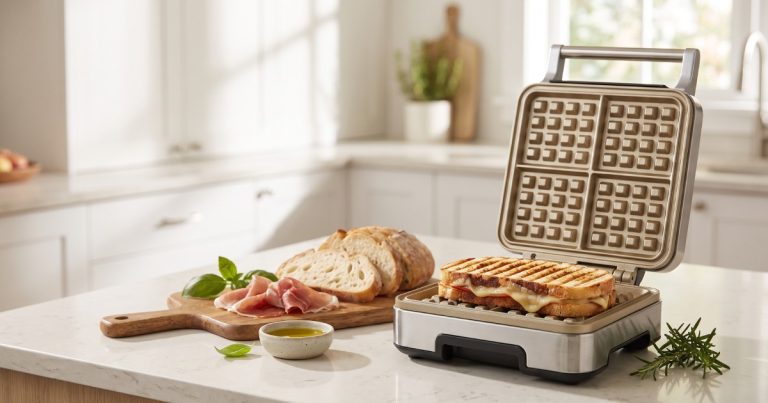
Classic, shallow-plate waffle makers (around 1/4 to 1/2 inch deep) tend to work better for potatoes because the mixture spreads more evenly and crisps faster across the whole surface, closer to how a hash brown patty cooks.
Flip vs. Non-Flip Models
- Flip waffle makers rotate 180 degrees, using gravity to help batter settle evenly — largely unnecessary for potatoes, since the mixture is dense enough to stay put without flipping.
- Non-flip, stationary models are perfectly fine for potato waffles and are usually easier to load without spillage.
Features That Actually Matter for Potato Waffles
- Adjustable temperature control: Crucial for sweet potatoes and cheese-based mixes that burn faster than plain batter.
- Non-stick coating quality: Look for a diamond or ceramic-reinforced non-stick coating rather than basic Teflon, since starchy potatoes are more prone to sticking than batter.
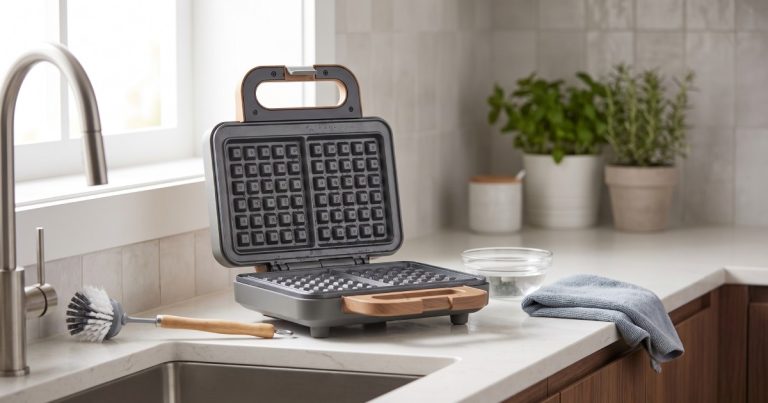
- Removable or deep-groove plates: Makes cleanup significantly easier, since potato residue is stickier than batter drips.
- Wattage between 800–1200W: This range preheats fast enough and maintains steady heat without long recovery times between batches.
Quick Buyer’s Checklist
If you’re shopping specifically with potato waffles in mind, prioritize:
- Shallow, classic-style grid rather than deep Belgian pockets
- Adjustable or at least dual-setting temperature control
- Non-stick plates rated for starchy foods (check reviews for “hash browns” or “potatoes” mentions)
- Easy-clean or removable plates
- Compact storage size if counter space is limited
Common Mistakes to Avoid
Even experienced home cooks trip up on a few predictable issues the first time they try potato waffles in waffle maker form:
- Not drying the potatoes enough. Excess moisture is the number one cause of soggy, falling-apart waffles.
- Skipping the preheat. Cold plates cause sticking and uneven browning.
- Overfilling the plates. Potato mixture doesn’t rise like batter, but overflow still burns onto the hinges and edges.
- Opening the lid too early. Checking before the 5–6 minute mark disturbs the crust before it sets.
- Under-seasoning. Potatoes need more salt than most people expect — season the raw mixture generously, not just after cooking.
Serving Ideas for Potato Waffles
Once you’ve nailed the base method, potato waffles are wildly versatile:
- Top with a fried or poached egg for a hearty breakfast plate
- Use as a base for pulled pork or shredded chicken instead of a bun
- Add shredded cheddar and scallions, then serve with sour cream like a loaded baked potato
- Cut into quarters and serve as a snack with ketchup or aioli, similar to Swedish potato waffles (rösti-style)
If you’re feeding a family of four, plan on roughly 3–4 medium potatoes for a standard-size waffle maker, which typically yields 4–6 waffle portions depending on plate size.
Frequently Asked Questions
Can you make potato waffles in a waffle maker without eggs? Yes. Substitute the egg with a tablespoon of flaxseed meal mixed with water, or use extra flour and a touch of mashed potato as a binder. The texture will be slightly less cohesive, so pack the mixture firmly into the plates.
Do I need a special waffle maker for potato waffles? No special appliance is required. A standard electric waffle maker works fine, though shallow-grid, non-Belgian models tend to produce more even, crisp results with potato mixtures.
How long do potato waffles take in a waffle maker? Most raw potato waffles take 6–10 minutes, while mashed potato versions cook faster, typically 5–7 minutes, since there’s less raw starch and moisture to cook off.
Can you freeze potato waffles made in a waffle maker? Yes. Let them cool completely, then freeze in a single layer before transferring to a freezer bag. Reheat directly from frozen in a toaster or oven at 400°F for 8–10 minutes to restore crispness.
Why are my potato waffles sticking to the waffle maker? This usually comes down to insufficient greasing or under-preheating. Potato starch is stickier than standard batter, so a light oil coating on fully preheated plates is essential, even with a non-stick surface.
Can you make sweet potato waffles in a waffle maker the same way as regular potato waffles? Mostly yes, with two adjustments: grate the sweet potato finely rather than using coarse shreds, and reduce cook time slightly since natural sugars caramelize and burn faster than starchy white potatoes.
Final Thoughts
Potato waffles are one of those rare kitchen hacks that actually deliver on the hype. The waffle maker’s pressure, heat, and grid design solve the exact problems that make stovetop hash browns inconsistent — sogginess, uneven browning, and sticking. Whether you’re working with raw shredded potatoes, leftover mash, or sweet potatoes for a slightly sweeter spin, the core techniques stay the same: dry your potatoes thoroughly, preheat properly, and don’t rush the crust.